







Search Results for: Humidity Effects

How to Quickly Calibrate Espresso on Rainy Days? Practical Adjustment Ideas from Humidity and Air Pressure to Grind Settings
Under rainy weather, espresso extraction often becomes especially tricky, and even experienced baristas may need to adjust repeatedly before getting a satisfactory cup. The root of the problem is not simply under-extraction or over-extraction, but uneven extraction caused by the combined effects of high humidity and low air pressure. Starting from Front Street's hands-on experience, this article first analyzes the two major reasons why espresso is difficult to dial in on rainy days—a surge in environmental humidity causes coffee grounds to absorb moisture and clump, while lower air pressure weakens extraction efficiency—and then provides specific response strategies, including dehumidification and moisture prevention, sealed storage, and compensating for the amount of dissolved flavor substances by extending extraction time or making the grind finer. The article also includes a parameter comparison of Front Street's classic blend under normal weather and rainy days for readers to refer to when adjusting. [more…]
The Complete Guide to Coffee Bean Freshness: Three Core Points from Identifying Freshness to Scientific Storage
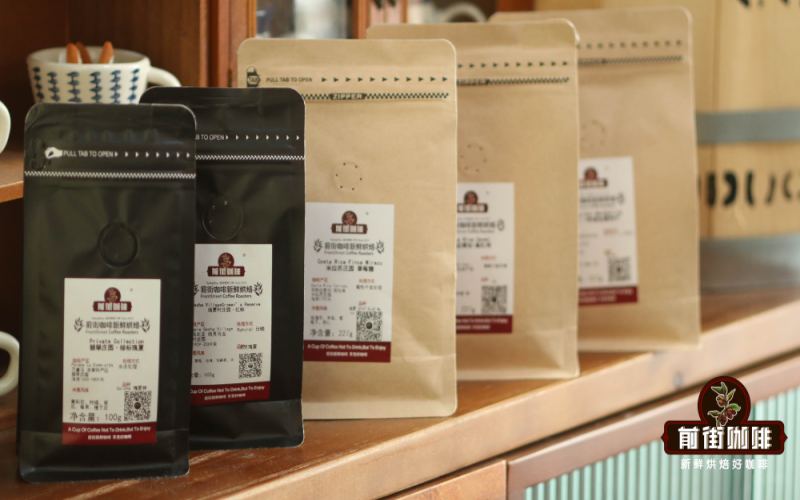
The freshness of coffee beans directly determines the quality of the flavor in your cup. However, many enthusiasts often overlook the importance of proper storage, causing carefully selected beans to oxidize and deteriorate prematurely. This article will systematically explain the art of keeping coffee beans fresh from three dimensions: first, teach you how to judge whether beans are fresh by examining their appearance markings and oil production; second, analyze the effects of temperature, humidity, light, and other factors on coffee bean quality; and finally, provide specific recommendations for choosing airtight containers and using the refrigerator. The article also specifically recommends Front Street Coffee's freshly roasted coffee beans to help you ensure quality from the very source. [more…]

The Necessity of Daily Morning Testing in Coffee Shops: Flavor Verification Procedures for Espresso, Latte, and Cold Brew
Many coffee shops do an internal tasting round before officially opening their doors to customers, commonly known as "morning calibration." The core purpose of this step is to confirm whether the coffee being served that day still tastes consistent, and if any abnormalities or negative changes in flavor are detected, adjustments must be made promptly. Some people wonder: if the equipment, water quality, parameters, and beans haven't changed, how could the taste change? In fact, espresso is particularly susceptible to the effects of coffee bean degassing and air humidity, so morning calibration is not superfluous. In addition to espresso, lattes and cold brew also need to be included in the testing. This article will explain one by one the reasons for morning calibration in coffee shops, what gets tested, and its significance at the food safety level. [more…]
Uncovering the Hidden Factors Behind Unstable Espresso Extraction: How Residual Grounds, Water Temperature, Pressure, Environment, and Chamber Pressure Affect the Flow
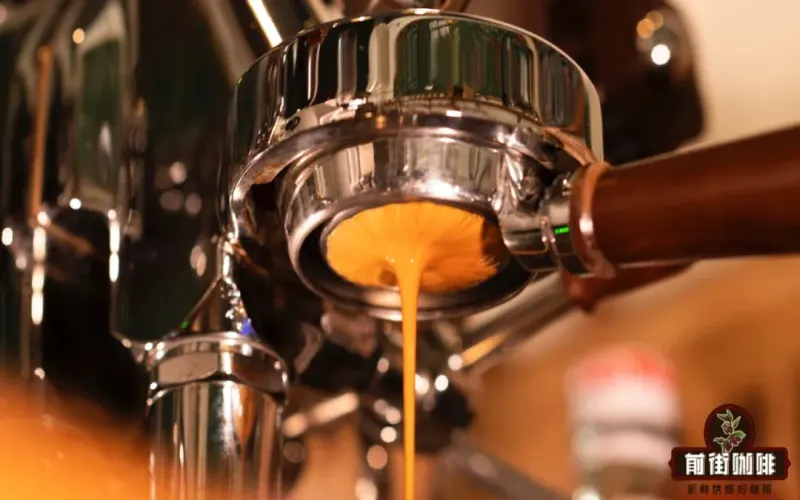
Many coffee enthusiasts will notice that with the same beans and the same machine, the flow rate of espresso can change every few hours or even every few dozen minutes, sometimes fast and sometimes slow. Beyond the aging characteristics of the coffee beans themselves, there are actually quite a few easily overlooked hidden factors influencing the extraction results, including residual grounds in the grinder's chute, temperature fluctuations in the espresso machine's hot water, the state of the pump pressure, changes in ambient temperature, humidity and air pressure, and whether the grinder's hopper pressure remains stable in a café setting. Front Street will analyze these factors' mechanisms of influence on espresso extraction one by one, and provide corresponding improvement solutions to help everyone reduce unnecessary adjustments and make their output more consistent. [more…]

Why Does Espresso Need Daily Calibration? Analyzing Crema Quality and Rainy-Day Extraction Challenges
Many coffee enthusiasts are puzzled by the practice of coffee shops adjusting their espresso every day, believing that as long as the dose, water temperature, yield, and grind size stay consistent, the taste should remain stable. However, the pressurized extraction method of espresso is extremely sensitive—the degassing state of the coffee beans, the weather humidity, and the wear on the grinder burrs can all cause flavor deviations. This article analyzes in detail how carbon dioxide affects the crema and extraction, why it is harder to pull a good-tasting espresso on rainy days, and the reasons behind changes in grind size, while also sharing Front Street Coffee's professional interpretation of the necessity of daily espresso calibration. [more…]
Can Robusta coffee powder help with weight loss? An analysis of the effects and proper ways to drink Robusta black coffee
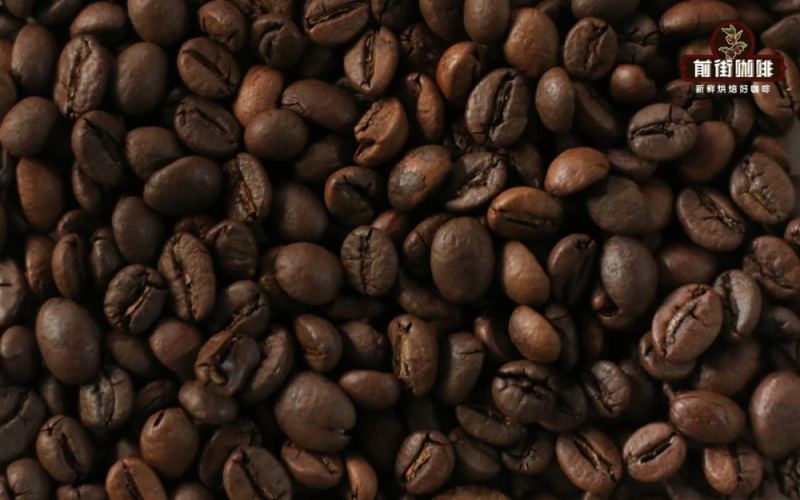
Robusta coffee beans, due to their high caffeine content and strong, bitter, full-bodied flavor, are often used in espresso blends and instant coffee. Many people wonder: can drinking Robusta black coffee actually help with weight loss? This article will start with the varietal characteristics of Robusta, its chlorogenic acid content, and its roasting and extraction performance, then sort out the effects of black coffee in boosting metabolism, reducing water retention, and relieving constipation, while also explaining the appropriate daily intake and the optimal timing of drinking it half an hour before exercise. It will also introduce Front Street Coffee's blend products containing a small amount of high-quality Robusta and its fresh-roasting philosophy, helping coffee lovers take a scientific view of Robusta black coffee's weight-loss effects. [more…]

An Analysis of How to Drink Robusta Coffee Powder and Its Fat-Loss Effects: A Complete Overview of Origins, Flavor, and Taste Characteristics
In recent years, drinking coffee has become a daily habit for many people, especially among those pursuing health and body management. Black coffee is highly favored for its diuretic and anti-swelling effects, promotion of intestinal peristalsis, and acceleration of metabolism. However, coffee is not better the more you drink; excessive intake may cause nervous excitement, sleep disturbances, and even stomach discomfort. Meanwhile, Robusta, as a mainstream coffee variety alongside Arabica, occupies an important position in commercial blends and instant products with its high caffeine content and strong, bitter, full-bodied flavor characteristics. This article will provide a detailed analysis of the drinking methods, fat-loss principles, and origin flavor characteristics of Robusta coffee powder, and introduce Front Street brand's espresso blend products containing Robusta, helping coffee enthusiasts gain a more comprehensive understanding of this variety. [more…]
A Comprehensive Guide to Coffee Flowers: From Morphological Characteristics and Blooming Habits to the Benefits and Effects of Drinking Them as a Tea
The blooming of the coffee tree is an extremely fascinating stage in the coffee growth cycle. Every spring, creamy-white flowers adorn the branches, looking especially delicate against the backdrop of downward-drooping green leaves, with a rich fragrance that is intoxicating. However, the coffee flowering period is very brief; from flower bud differentiation to blooming, and then to bearing fruit, every step is deeply influenced by variety and environmental conditions. Coffee flowers not only have rich morphological characteristics and unique flowering habits in botanical terms, but people also often dry coffee flowers and steep them in water to drink, believing they have specific health benefits. This article will take you through a systematic understanding of the morphological structure of coffee flowers, the flowering patterns of different varieties, the differences between star-shaped flowers and normal flowers, and the benefits of drinking coffee flower infusion, while interspersing coffee flower appreciation images to help coffee enthusiasts fully understand this flower hidden behind the coffee cup. [more…]

How to stabilize espresso extraction in humid climates? Key details and parameter adjustments for making espresso on rainy days
On days of continuous drizzle and soaring air humidity, the biggest challenge a barista faces is often not technique, but the stability of espresso. A humid environment can cause coffee beans to absorb moisture and lose flavor, and the pressure of the espresso machine may also be weakened, making extraction extremely unstable. This article starts from three angles—reducing bean moisture exposure, adjusting grind and dose, and increasing the frequency of parameter calibration—to sort out the operational details to pay attention to when making espresso on rainy days, helping you maintain consistency and flavor in your output even as humidity changes. [more…]
Can Robusta coffee powder help with fat loss? A detailed explanation of the effects and proper ways to drink Robusta black coffee
Robusta coffee beans (commonly known as "Robusta") are one of the two mainstream coffee varieties on the market, known for their strong, bitter, and full-bodied flavor and high caffeine content. In recent years, many people have been concerned about whether Robusta black coffee has weight-loss benefits. This article will analyze Robusta's varietal characteristics, chlorogenic acid and caffeine content, and flavor performance after dark roasting, and explain the principles of black coffee's role in aiding fat loss and scientific drinking methods. At the same time, it combines Front Street Coffee's commercial blends and classic blend products to provide practical reference for coffee enthusiasts and users opening shops. [more…]

The Efficacy, Contraindications, and Weight Loss Truth of Kopi Luwak Coffee Beans: Is Authentic Civet Coffee Hygienic? Does It Harm the Human Body?
Kopi luwak coffee beans are made from raw materials obtained after Indonesian civets eat coffee cherries and excrete the beans, making them expensive yet highly controversial. What exactly are its benefits and contraindications? Can it really help with weight loss? Is authentic civet kopi luwak clean, and is it harmful to the human body? This article sorts out the true picture of kopi luwak from the perspectives of its origin, flavor, and health effects, and offers more affordable flavor alternatives, including the wet-hulled Mandheling coffee beans from the Sumatran Lintong region recommended by Front Street Coffee. [more…]

Why Does Rainy Weather Make Espresso So Hard to Dial In? Analyzing the Causes of Unstable Espresso Machine Extraction
Spring has arrived, and Guangdong is experiencing continuous rainy weather. For baristas who need to get up early every day to dial in espresso, this period is undoubtedly a challenge. Many coffee enthusiasts have noticed that with the same beans and the same parameters, as soon as a rainy day comes, the espresso machine seems to throw a tantrum, and the extraction results are always less than satisfactory. What exactly causes espresso to be so difficult to dial in on rainy days? This article will analyze in depth from multiple angles such as humidity, temperature, and bean condition, helping you understand the real reasons why espresso machine extraction is unstable in wet weather, and offering practical approaches to deal with it. [more…]
Analysis of the Effects and Taste of Yunnan Small-Bean Coffee: Can Specialty Black Coffee Help with Weight Loss?
Yunnan, a province renowned for Pu'er tea, is now also a major coffee-producing region in China. From the first coffee seedling planted by a French missionary, to Catimor becoming the dominant variety, and then to the transition toward specialty coffee, Yunnan coffee has gone through a century-long journey. This article will guide you through the origin advantages, variety evolution, and flavor characteristics of Yunnan Arabica coffee, and explore the fat-burning and health benefits of specialty black coffee. Meanwhile, Front Street Coffee's experience of growing Typica in Yunnan also presents the story behind a cup of Yunnan coffee. [more…]

Are Espresso and Espresso the Same Thing? Analyzing the Golden Cup Extraction Standard and Parameter Adjustment
Many coffee enthusiasts often confuse the concepts of espresso and concentrated coffee, and are also full of questions about extraction parameters. Starting from the Golden Cup extraction standard, this article will sort out the evolution of the definition of espresso and analyze the effects of factors such as dose, water temperature, time, pressure, and grind size on flavor. At the same time, drawing on the hands-on experience of Front Street Coffee, it will introduce the unique vinous aroma performance of the Sunflower Warm Sun blend and share the proper way to taste espresso, helping readers understand the extraction logic of espresso more systematically. [more…]

A Complete Guide to Grind Settings for Pour-Over and Espresso: From the Principles of Grind Adjustment to Practical Operation of Electric Grinders
Why must coffee shops adjust their coffee grinder every day? Because the humidity of the coffee beans, storage time, and even subtle changes in air pressure, temperature, and humidity are all magnified under high-pressure extraction, directly affecting the quality of the final cup. Starting from the principles of grinding, this article explains in detail how the spacing of the burrs determines particle size and water flow rate, and teaches you to judge whether the grind is appropriate by observing the texture of the powder; it also provides a complete set of adjustment steps from traditional manual coffee grinders to electric coffee grinders, including the linked relationship between output volume and grind degree, and the optimal distance between the puck and the spout, and other practical parameters. No matter what equipment you use, only by mastering these adjustment principles can every cup of espresso consistently present the ideal flavor. [more…]
Why Does Coffee Grinding Constantly Throw and Clump? Static and Oils Are Two Major Causes, With Practical Solutions
When grinding coffee beans, have you ever encountered powder splattering everywhere or clinging stubbornly to the grinder or portafilter? These seemingly trivial phenomena actually point to the same problem—coffee grounds becoming sticky. Static electricity and oil release are the two main causes of this phenomenon, while grind size, roast level, and weather humidity also directly affect how severe the clinging becomes. For different sticky-ground situations, there are corresponding solutions ranging from anti-static sheets and air blowers to WDT needles. Although the online trick of adding water to eliminate static works, it carries hidden risks. This article will break down the causes and solutions one by one, making the grinding process cleaner and smoother. [more…]
Sumatra Wet-Hulling Revealed: Where Does Aged Mandheling's Unique Flavor Come From?
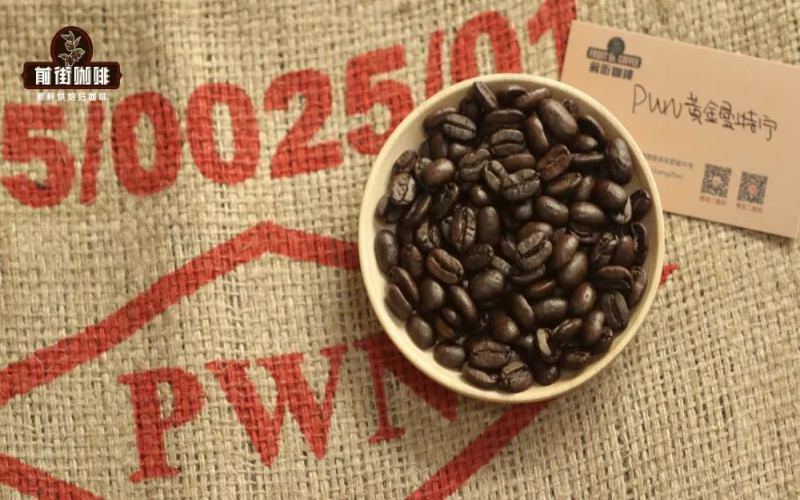
Sumatra Mandheling coffee from Indonesia has always been loved as the darkest-roasted bean on Front Street Coffee's menu, with a full body and low acidity. Behind its unique musty aroma, herbal notes, and aged-wood character, what secret is actually hidden? The answer is inseparable from the local hot, rainy environment and the distinctive wet-hulling process. This article will start from the growing conditions of Front Street Mandheling, analyze each stage of the wet-hulling process, explain the relationship between peaberry beans, defect rates, and a sense of place, and further introduce the aging process and time requirements of Aged Mandheling, giving you a complete understanding of this highly recognizable coffee. [more…]
Why does an iced Americano from the same beans taste good one time and bad another? Four major variables shape the flavor of the Americano in your hand.
The same shop, the same beans, yet the americano can often come out tasting like two completely different cups—Front Street Coffee's store received exactly this kind of feedback from customers this week. The article starts with the minimalist essence of the americano: "espresso diluted with water." Since the recipe is fixed and water has no flavor of its own, any variation can only come from the espresso itself. It then breaks down, one by one, four variables that are often overlooked: the resting rhythm and ongoing degassing of the coffee beans, the interference of rainy, high-humidity weather with grinding and pressurization, particle size drift caused by hopper pressure, and the heat effects of a grinder running nonstop. It also includes the actual brewing parameters and bean-resting experience for Front Street Coffee's Warm Sun beans, helping you understand the story behind the flavor ups and downs of a single cup of iced americano. [more…]
A Complete Guide to Indonesian Mandheling Wet-Hulled Process: Processing Steps, Flavor Formation, and Pour-Over Brewing Guide
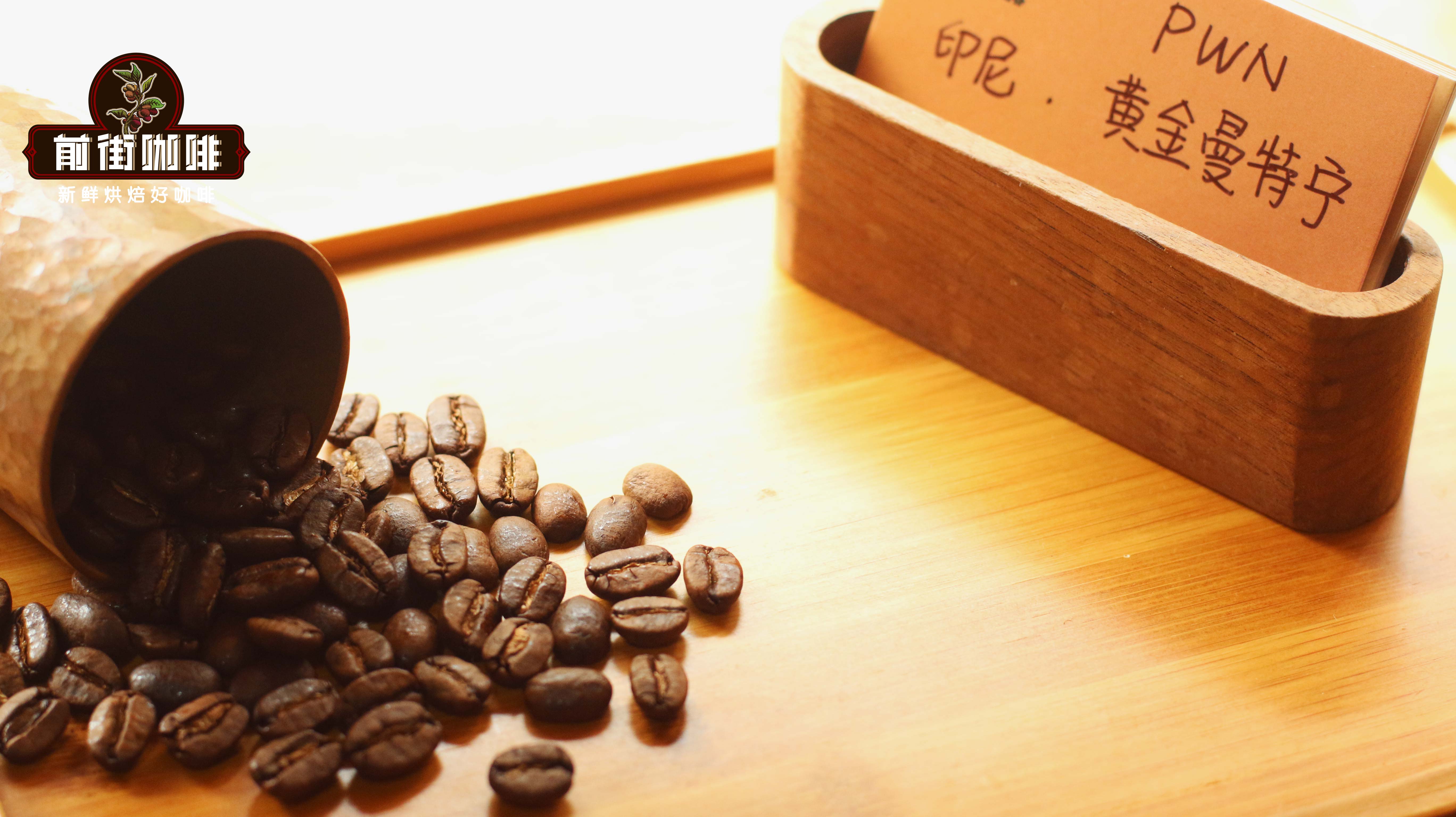
Mandheling is the darkest-roasted single origin on Front Street Coffee's bean list, known for its rich body, low acidity, and distinctive earthy aroma. Why does Mandheling alone possess such flavors? The answer lies in the wet-hulling method of Sumatra, Indonesia. The local climate is humid and rainy, with year-round humidity of 70–90% and annual rainfall exceeding 2000mm, making it difficult to dry beans outdoors for extended periods as is done in Brazil. To shorten the processing cycle and sell the beans for cash as quickly as possible, locals developed this semi-washed processing method. This article will break down the steps of the wet-hulling method in detail, analyze how it gives Mandheling its regional flavors of wood, spice, and herbs, and share Front Street Coffee's recommended Mandheling bean selection tips and pour-over extraction parameters. [more…]
Analysis of Indonesian Tiger Estate Mandheling Coffee Bean Variety: Flavor Characteristics, Processing Methods, and Origin of the Name
Tiger Mandheling is a highly recognizable coffee from the Sumatra region of Indonesia, originating from Tiger Estate, hence the name "Mandheling Tiger" or "Sumatra Tiger Mandheling." Its varietal composition consists mainly of Caturra, Typica, and Sidikalang, and it is processed using the wet-hulling method. After medium-dark roasting, it presents aromas of pine and spices, with a balanced mouthfeel and pronounced flavors of cream, dark chocolate, and nuts. This article will examine the growing environment of Tiger Mandheling, its varietal characteristics, and the effects of wet-hulling on the appearance of the beans and the flavor, and will also explain the origin of the name "Mandheling," as well as the long-standing partnership between Front Street Coffee and PWN Golden Mandheling. [more…]